Rankings are an ego metric until they connect to revenue. The bridge between them is search intent: understanding what the searcher is trying to accomplish, and building the page — and the measurement — around that job.
Work through a real page map before choosing topics
Our site separates a broad commercial search from narrower tasks. The homepage answers the search for an SEO agency in Leeds. The local SEO service page explains the work a buyer can purchase. The pricing page answers questions about package scope and cost. A guide about how local SEO works is for someone still learning. These are related journeys, but each page has a different job. We link them so a reader can move from explanation to a service and then to a decision.
A simple worksheet makes this visible for any business. For each search, record the phrase, the apparent intent, the current ranking URL, the URL you want to own it, the action a reader should take next, and the measure of success. If two URLs compete for the same phrase and answer the same question, revise or consolidate. If they answer distinct questions, make the difference clear in the title, opening and internal links.
Before commissioning a new page, inspect Search Console to see whether an existing page already receives impressions for the query. Read that page and the results Google currently shows. A new URL is justified when the intent cannot be answered clearly on the current page. Otherwise, a focused improvement may preserve existing links and history while answering the query better.
Use a measurement chain with known limits
Search Console shows queries and landing pages, but it does not tell you which individual query produced an enquiry. Analytics can record the landing page and a form event, while a CRM can record whether that enquiry was qualified. Join those records at the level you can support, usually a landing page or page group, and state when a conversion source is unknown. Do not present a precise query-to-revenue figure if the systems cannot produce one.
For a local service firm, a monthly table might list the page, non-branded impressions, organic entrances, form submissions, phone enquiries and qualified jobs. If calls are not tracked, write that in the table and use the measures you have. Compare equivalent periods where possible and annotate changes in paid media, seasonality and site structure. A rise in impressions before a rise in enquiries can still be useful evidence that the right page is starting to appear.
Review the table with the people who handle enquiries. They can tell you whether the questions arriving are relevant and whether the page sets the right expectation. That feedback often reveals a content problem that traffic reports miss, such as a service page attracting people outside the area served or a pricing page that fails to explain what is included.
"Organic sessions up 40%" earns a nod; "this cluster produced 23 qualified demos" earns budget.
Intent is the unit of strategy, not the keyword
Ten keywords can express one intent, and one keyword can hide three. "CRM" might mean a definition-seeker, a comparison-shopper, or a buyer looking for a login page. Ranking well for the wrong interpretation produces traffic that bounces and reports that mislead.
Read the SERP as evidence: if Google shows listicles and comparison tables, it has concluded the dominant intent is commercial research — a product page won’t rank there no matter how optimised. Classify every target query by the page type Google is already rewarding.
Map intent stages to page types deliberately
Informational intent ("how to reduce cart abandonment") belongs to guides and blog content. Commercial investigation ("best abandoned cart software") belongs to comparison and alternative pages. Transactional intent ("klaviyo pricing") belongs to product and pricing pages. Each stage needs its own template, its own conversion action, and its own success metric.
The most common revenue leak is stage mismatch: businesses publish informational content, rank, and then wonder why blog readers don’t buy. They weren’t going to. The blog post’s job was to earn the click and hand intent forward — to the comparison page, the case study, the trial. Internal links between stages are where the revenue actually happens.
Score keywords by business value, not volume
A simple scoring model changes everything: for each target, estimate intent proximity to purchase (1–5), realistic win probability given your authority (1–5), and volume. Multiply. A 300-volume query with buying intent you can win beats a 30,000-volume head term dominated by G2 and Forbes.
This model also exposes where paid and organic should divide labour: queries you can’t win organically for two years might be worth buying now, while long-tail commercial queries you can win in a quarter are wasted ad spend.
Instrument the path from query to pipeline
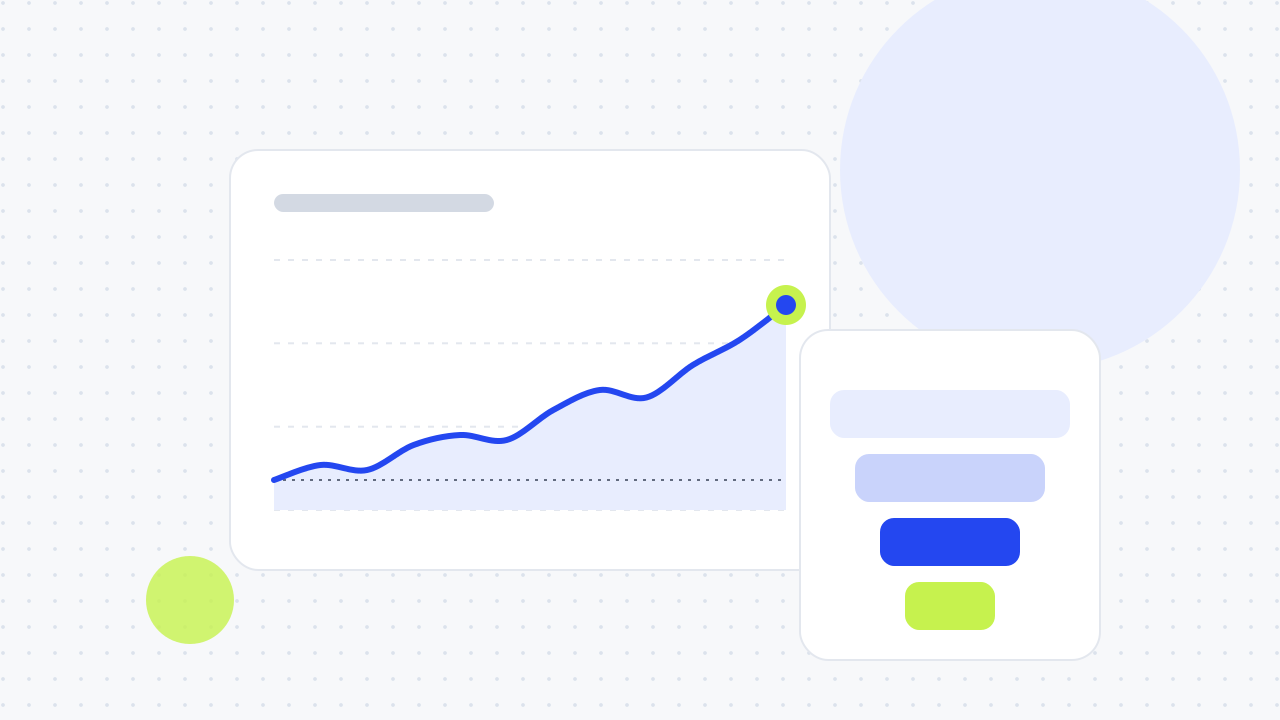
Connect Search Console query data to landing pages, landing pages to conversion events, and conversion events to CRM outcomes. Perfect attribution is impossible; useful attribution is not. Even a simple first-touch model per landing page reveals which clusters produce pipeline and which produce sessions.
Report in that language. "Organic sessions up 40%" earns a nod; "the comparison-page cluster produced 23 qualified demos this quarter" earns budget.
Let revenue evidence reshape the roadmap
Once you can see which intents convert, the content roadmap stops being guesswork. Double down on clusters with proven pipeline contribution, fix the conversion path on clusters with traffic but no revenue, and deprioritize topics that attract the wrong audience entirely.
This is the loop that separates compounding programmes from content treadmills: rank, measure revenue, reallocate, repeat.
The useful takeaway
Classify every target by intent stage, build the page type the SERP is already rewarding, link stages together deliberately, and measure clusters by pipeline contribution — then let that evidence, not volume, drive the next quarter’s roadmap.

Founder and SEO strategist at SEO Agency Leeds, specialising in technical SEO, local SEO and content strategy. Strategy on every engagement is led by Muhammad, and these guides come from that work.