Local rankings get you seen; trust signals get you chosen. Between the map pack impression and the phone call sits a small set of signals customers scan in seconds — and most local businesses are losing on them without knowing.
Start with a trust audit customers can repeat
Open your Business Profile as a prospective customer would. Can you tell what the business does, where it works, when it is available and how to contact it? Repeat the check on a phone, because the mobile result may show less of the description. Write down any mismatch between the profile, the website and the main directory listings. A small table with the current value, correct value, owner and date fixed is enough to run this audit.
For a service-area business, check whether the address is hidden when customers are not served there. For a multi-location firm, check each real branch separately. A single shared phone number, a generic landing page and the same photos on every listing can leave customers unsure which branch they are reaching. Do not create a profile for an unstaffed location merely to appear closer to a searcher.
This website is an example of the boundary. We describe remote work with Leeds and Yorkshire businesses, but do not claim a Leeds office, street address or Google Business Profile. The same rule should apply to schema and directory listings. A trust signal that cannot be verified creates more risk than a missing badge.
Make the service page answer the decision
A visitor who arrives from a map result still has to decide whether to enquire. Review the page linked from the profile. Does it state the actual service, who it is for, the places served, relevant prices or how a quote is calculated, and a clear next step? If the page answers a different question, a profile improvement may bring visits without bringing useful enquiries.
Compare a plumber who offers emergency call-outs with one who books planned installations. Both need local search visibility, but the first page needs availability, contact details and the specific emergencies handled near the top. The second needs project examples, a realistic quoting process and the areas where work can be scheduled. A generic city paragraph serves neither buyer.
Connect the service page to real evidence. That might be an approved case study, photographs of completed work with permission, a genuine professional qualification, or a review that mentions the service. If consent is missing, describe the process instead of publishing a client name or outcome you cannot prove.
The review response is for the audience, not the reviewer.
Measure trust changes without claiming a ranking cause
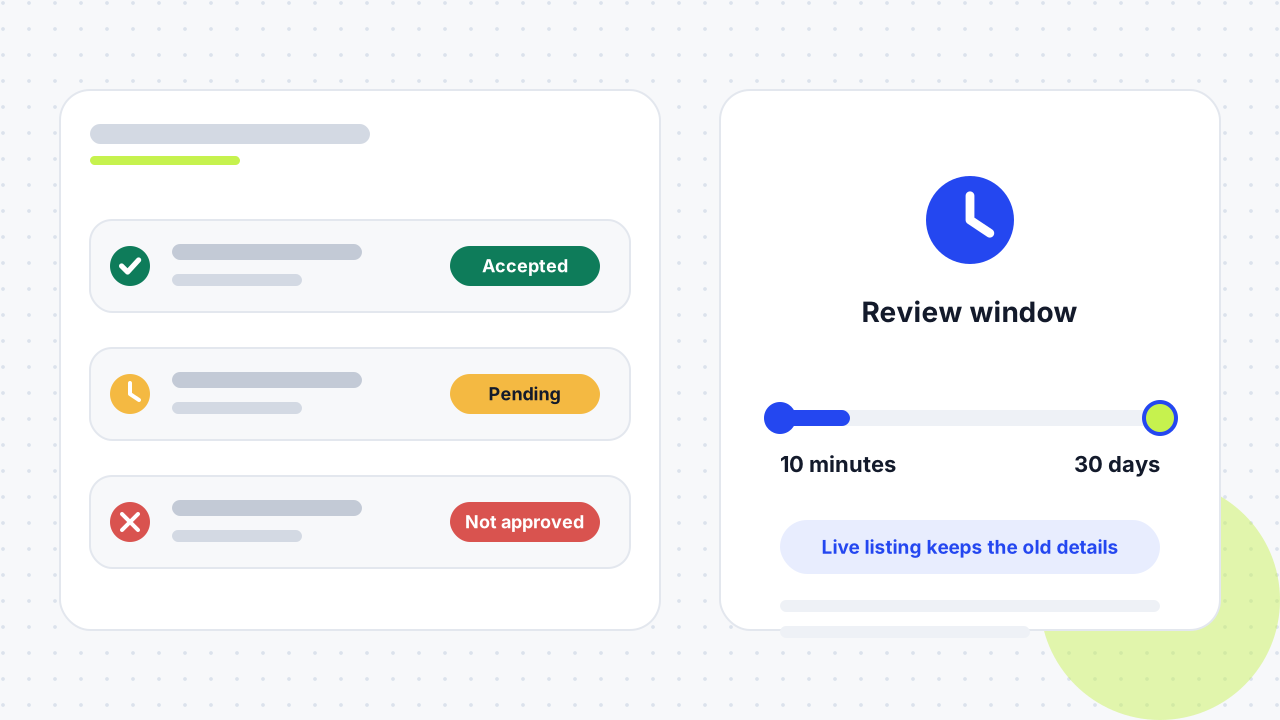
Record a baseline before editing: the number of relevant enquiries, profile interactions where available, website visits to the linked page and the dates of recent reviews. Note the date each profile, page or citation changed. Review comparable periods after enough time has passed. Seasonality, paid campaigns and changes in demand can all affect the numbers, so do not label every increase as the effect of one edit.
A useful monthly review asks three questions. Are more of the right people reaching the page? Are they finding the answer that helps them decide? Are enquiries becoming customers? Search Console can help with the first question, form and call records with the second, and the sales system with the third. Keep the observations separate where tracking is incomplete.
For a practical sequence, start with our local SEO checklist, then use our review guide to set up a genuine request process. Our local SEO service page explains how profile, website and measurement work fit together for a business that serves a defined area.
Reviews: velocity and recency beat raw count
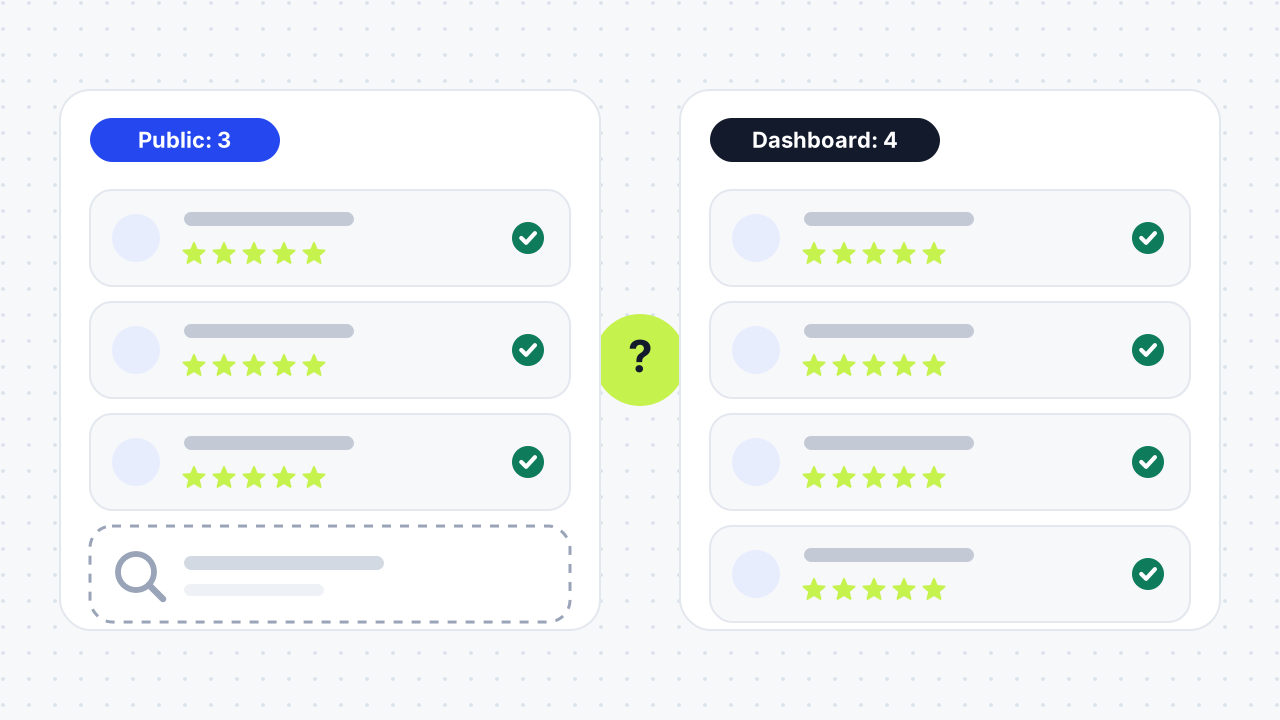
A recent review can tell a customer what a business is like now. Compare the dates, the detail and the relevance of reviews as well as the average rating. There is no reliable formula that says one rating and review count will outrank another.
Build review velocity into operations, not campaigns: a consistent ask at the moment of satisfied delivery, a direct link that removes friction, and coverage across the specifics customers search for — service type, neighborhood, staff names. Those details become keyword-relevant content Google surfaces in "reviews mentioning" snippets.
Responses are marketing, not customer service
Every review response is read by hundreds of prospects deciding whether to call. Thoughtful responses to positive reviews reinforce specifics; professional, non-defensive responses to negative ones are trust-builders — prospects know a 4.6 with graceful recovery beats a suspicious 5.0.
Respond within days, address the specific issue, take resolution offline, and never argue. The response is for the audience, not the reviewer.
Your Google Business Profile is a storefront, not a listing
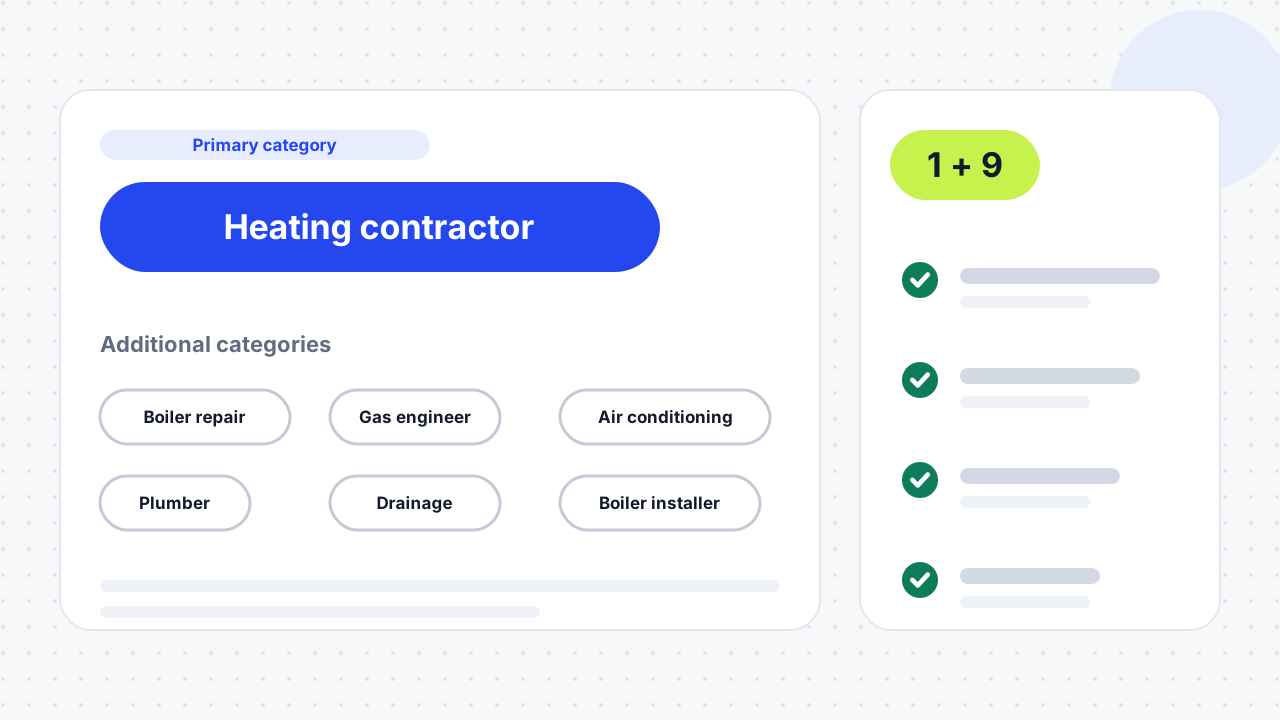
For an eligible business, keep the profile accurate: choose the closest primary category, describe real services, maintain opening hours and use photos of genuine work. A complete profile helps customers judge whether the business fits their need. Do not infer a fixed lift in calls from photo count.
Use Posts for offers and updates, seed the Q&A section with the questions customers actually ask (you can ask and answer them yourself), and keep NAP — name, address, phone — byte-identical across your site, profile, and major directories. Inconsistency is a quiet relevance killer.
Location pages that prove, not just claim
A location page that says "we serve Springfield" is a doorway page. One that shows Springfield jobs completed, Springfield reviews, local team members, area-specific pricing notes, and directions from local landmarks is evidence — for customers and for Google’s relevance systems.
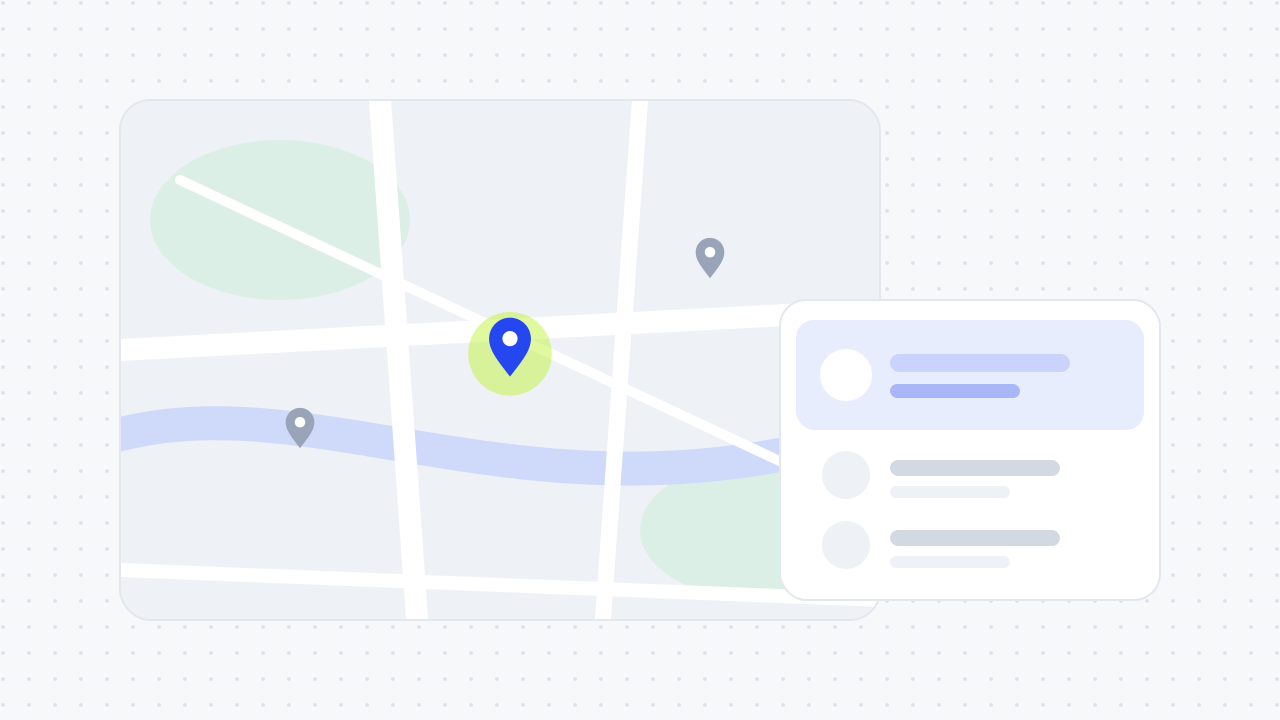
Add LocalBusiness schema only for verified facts such as a real staffed location, opening hours and service area. A service-area business should not publish invented coordinates or a map pin at a virtual address. Link a verified Business Profile to the most relevant page where appropriate. Build useful pages for actual areas served, without swapped-name copies.
The off-Google trust layer
Customers cross-check: they find you on Google, then verify on Facebook, industry platforms, or the local Chamber. Consistent presence — same photos, same responsiveness, same rating pattern — compounds trust. A dead profile with a 2019 last-post date quietly undermines an otherwise strong funnel.
Local link signals still matter too: sponsorships, community involvement, local press, supplier relationships. These links rarely show up in volume metrics, but they’re exactly the prominence signals the map pack algorithm weighs.
The useful takeaway
Win the moment between impression and phone call: recent reviews at steady velocity, responses written for prospects, a complete and active Business Profile, location pages with real local evidence, and a consistent off-Google presence.

Founder and SEO strategist at SEO Agency Leeds, specialising in technical SEO, local SEO and content strategy. Strategy on every engagement is led by Muhammad, and these guides come from that work.